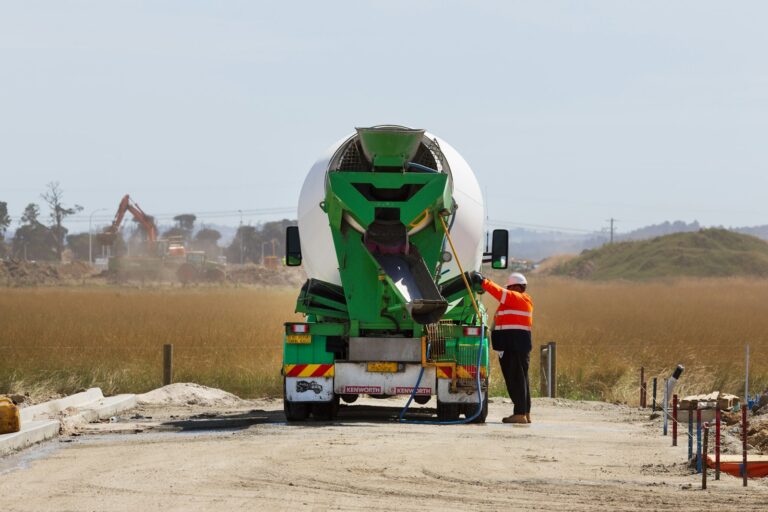
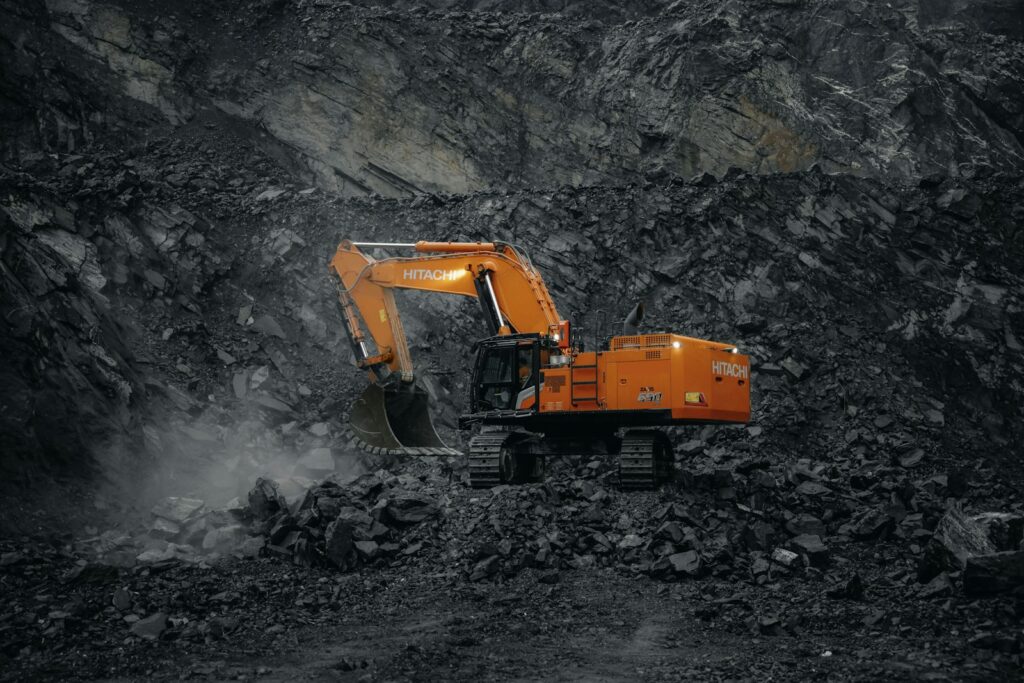
Many quarries and crushers hire some of their heavy equipment: an excavator at the face, a loader at the hopper, a rock breaker for oversize. The hire is billed by the hour, and at month end the owner’s bill arrives with a total that nobody at the plant can confirm. The supervisor remembers some breakdowns, the operator remembers none, and the argument takes longer than the work.
The fix is a daily hour log that both sides sign. This post explains what to record, the rules to agree before the machine arrives, and how to settle the bill each month.
Agree the terms in writing first
Most hire disputes are about terms that were never written down. Before the machine starts work, agree:
- Rate per hour, and whether it includes the operator, diesel and routine service.
- Minimum hours per day or per month, if any.
- Which hours count: hour meter hours, or clock hours from start to stop.
- Idle time: whether waiting for trucks or for blasting is paid, and at what rate.
- Breakdown time: normally not paid, and who decides when a breakdown starts and ends.
- Diesel: if you supply it, how much is reasonable per hour, and who pays the excess.
- GST and TDS: how the hire bill will be raised and what tax will be deducted. Your CA should confirm the treatment for your arrangement.
The daily hour log
One line per machine per shift, filled in at the machine and signed by your supervisor and the operator:
| Field | Notes |
|---|---|
| Date, shift and machine number | Registration or serial number, not a nickname |
| Hour meter at start and end | Read by your supervisor, not only the operator |
| Working hours | End less start, from the meter |
| Idle hours and reason | Waiting for trucks, blasting, no work allotted |
| Breakdown hours and reason | Start and end times, and what failed |
| Diesel issued | From your diesel issue register, if you supply fuel |
| Work done | Area, loads loaded, or oversize broken |
| Signatures | Supervisor and operator |
A photograph of the hour meter at the start and end of each shift, taken on the supervisor’s phone, ends most disputes before they start.
Checks that keep the hours honest
Hours against work done
A loader feeding the primary should move roughly the plant’s feed in the hours it works. If the loader logged a full shift but the crusher ran for half of it, ask why. The downtime log will usually show a feed stop or a crusher stop that explains it.
Hours against diesel
If you supply diesel, litres per hour for a hired machine should stay within a steady range. A machine logging more hours with less diesel, or the reverse, deserves a look at the meter.
Meter readings that do not move
A start reading that is the same as yesterday’s end reading is normal. A start reading that is lower, or a meter that shows no movement over a working shift, means the meter is faulty or has been disconnected. Agree in the contract that a faulty meter means clock hours approved by your supervisor until it is repaired.
Monthly settlement
- Total working, idle and breakdown hours from the signed daily logs.
- Apply the agreed rate, minimum hours and idle-time rule.
- Deduct excess diesel if that was agreed.
- Compare with the owner’s bill, line by line, before it is entered in the books.
- Pay against your computed figure and send the owner the working.
When both sides have signed the same daily logs, settlement becomes arithmetic rather than negotiation.
Own machines need the same log
Run your own excavators and loaders through the same log. You do not pay a hire bill for them, but their hours drive service intervals, diesel and the true cost of feed. Those hours belong in your cost per tonne.
Frequently asked questions
Should we pay for idle time?
That is a commercial decision. Many plants pay idle time at a reduced rate when the delay is theirs, such as waiting for blasting, and nothing when the delay is the machine’s. What matters is that it is agreed in writing before work starts.
Is GPS on hired machines worth it?
It helps with location and engine-on time, especially for machines that move between faces. It does not replace the signed daily log, which records what the machine did.
Where this fits
Equipment hours, diesel and production sit naturally in one system. Quipu’s Stone Crusher and Quarry ERP keeps the vehicle log, GPS tracking, dispatch and double-entry ledgers together, so hire bills can be checked against the plant’s own records. Book a demo to see how.